In recent years, there has been a significant shift towards eco-friendly practices in various industries, and roofing is no exception. With environmental concerns on the rise, many homeowners and businesses are opting for sustainable roofing solutions that not only reduce their carbon footprint but also provide long-term benefits. In this blog, we’ll explore the eco-friendly roofing revolution and offer valuable tips for a more sustainable roof.
Sustainable Roofing: Why It Matters
Eco-friendly roofing is all about making choices that are kinder to the planet and your wallet. Traditional roofing materials like asphalt shingles can contribute to landfills and have a limited lifespan. Sustainable roofing materials, on the other hand, are designed for durability and eco-consciousness.
1. Choose Recycled or Sustainable Materials
One of the primary ways to embrace eco-friendly roofing is by selecting roofing materials that are either recycled or sourced sustainably. Materials like metal, clay, slate, and wood are known for longevity and minimal environmental impact. Additionally, look for roofing products made from recycled materials, such as metal or rubber shingles.
2. Invest in Solar Panels
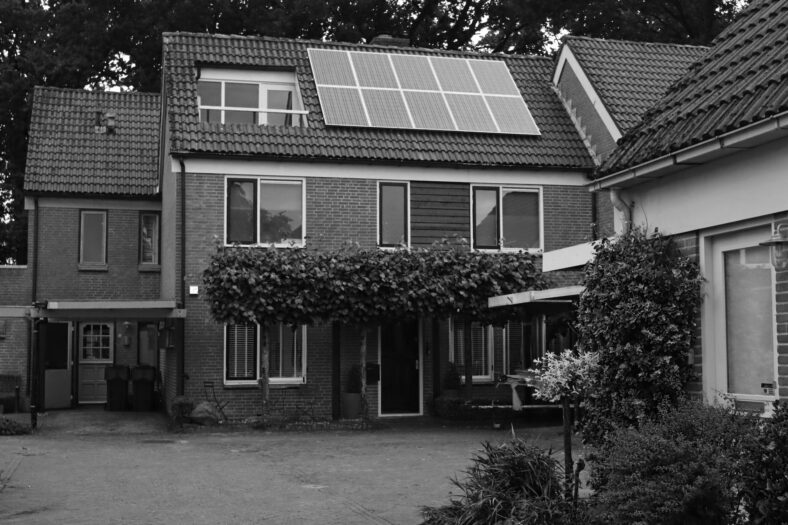
Solar panels are a game-changer in sustainable roofing. By harnessing the sun’s power, you can generate electricity and even sell excess energy back to the grid. Not only does this reduce your energy bills, but it also decreases your reliance on non-renewable energy sources.
3. Cool Roofing Options
Cool roofing materials, like white or reflective roofing membranes, can significantly reduce the heat your roof absorbs. This results in lower indoor temperatures and less reliance on air conditioning during the hot summer months, ultimately reducing your energy consumption.
4. Green Roofing Systems
Green roofing is a remarkable way to merge sustainability with aesthetics. These systems incorporate vegetation and plants on your roof, providing natural insulation, reducing rainwater runoff, and creating a healthier urban environment. Green roofs also enhance the overall appeal of your property.
5. Proper Insulation and Ventilation
Proper insulation and ventilation are crucial for maintaining an energy-efficient and sustainable roof. Insulation keeps your home warm in the winter and cool in the summer, reducing the need for constant heating or cooling. Adequate ventilation ensures moisture control, preventing mold and mildew growth.
6. Regular Maintenance
Sustainability doesn’t stop at installing eco-friendly roofing materials; it extends to regular maintenance. Schedule routine inspections to identify and address any issues promptly. A well-maintained roof will last longer and perform better, reducing the need for premature replacements.
Benefits of Sustainable Roofing
Embracing eco-friendly roofing options comes with a myriad of benefits:
- Environmental Impact: By choosing sustainable materials and practices, you significantly reduce your carbon footprint and contribute to a healthier planet.
- Energy Efficiency: Sustainable roofing can lead to reduced energy consumption, resulting in lower utility bills.
- Longevity: Many eco-friendly roofing materials have a longer lifespan than traditional options, saving you money on replacements.
- Increased Property Value: A sustainable roof can enhance the resale value of your property and attract eco-conscious buyers.
Conclusion
The eco-friendly roofing revolution is not only about saving the environment but also about making smart, cost-effective choices for your home or business. From selecting the right materials to embracing innovative technologies like solar panels, there are plenty of options to make your roof more sustainable. By taking these steps, you can enjoy a greener, more efficient, and longer-lasting roof while contributing to a more sustainable future for all.
Incorporating sustainable roofing practices is a win-win for both property owners and the planet. So, why wait? Join the roofing revolution and make your roof eco-friendly today!