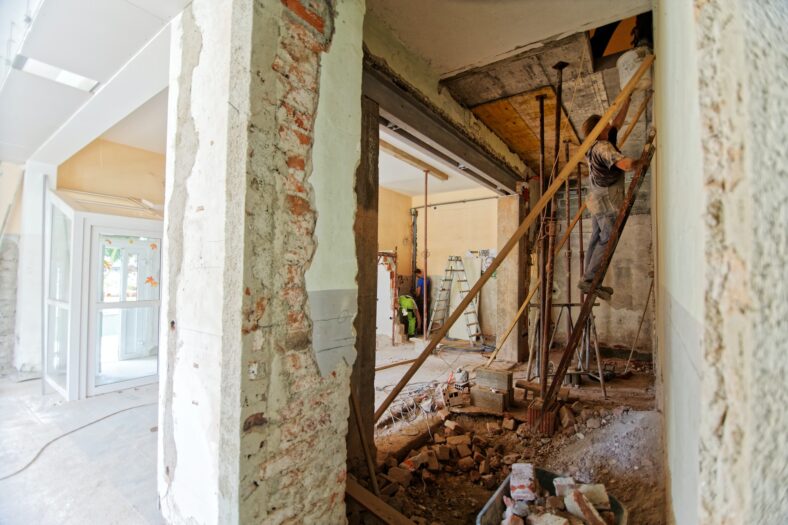
Contractors must ensure their services are as accessible as possible to potential clients. A broader reach often translates into more projects and, consequently, more success. Here are five effective strategies contractors use to make their services more accessible, catering to the needs of a diverse clientele.
1. Embracing Digital Platforms
For contractors, having a strong online presence is no longer optional; it’s necessary.
Digital Portfolios
By creating comprehensive online portfolios, contractors provide potential clients with an in-depth look at their previous projects, skill sets, and testimonials. This transparency helps in building trust even before the first interaction.
Virtual Consultations
Leveraging technology, many contractors now offer virtual consultations. Using video conferencing tools, they can discuss projects, provide estimates, and even conduct virtual tours, making it convenient for clients regardless of location.
2. Offering Diverse Payment Options
Financial constraints can be a significant hurdle for many clients. Forward-thinking contractors are addressing this by diversifying their payment structures.
Financing Solutions
Contractors are increasingly partnering with financial institutions to offer financing options. This collaboration ensures clients can start their projects without the pressure of upfront total payment.
Customizable Service Packages
Understanding that one size doesn’t fit all, many contractors provide tiered service packages. These packages cater to varied budgets, ensuring a broader client base can access quality services without feeling financially strained.
3. Catering to Inclusive Needs
Our societies are diverse, and contractors recognize inclusivity’s importance in their services.
ADA Compliant Projects
Ensuring that their projects adhere to the Americans with Disabilities Act (ADA) standards, contractors are making structures more accessible to individuals with disabilities. From ramps to wider doorways, these considerations make a world of difference.
Multilingual Teams
In areas with diverse populations, contractors ensure their teams are linguistically diverse. Multilingual team members ensure smooth communication, minimizing potential misunderstandings due to language barriers.
4. Continuous Learning and Adaptation
The construction and design industry is ever-evolving. Staying stagnant is not an option for contractors aiming for accessibility.
Up-to-Date Training
Contractors ensure their teams receive continuous training, keeping them updated with the latest techniques, technologies, and trends. This commitment ensures they can cater to modern and diverse project requirements.
Sustainable Building Practices
With an increasing emphasis on sustainability and eco-friendliness, contractors are getting trained in green building practices. This shift allows them to cater to the growing segment of environmentally conscious clients.
5. Enhancing Client Engagement
Making services more accessible isn’t just about availability; it’s also about engagement.
Interactive Design Software
Many contractors now utilize software that allows clients to visualize their projects in real time. Whether it’s 3D modeling or augmented reality tools, these technologies empower clients, ensuring they get what they envision.
Regular Feedback Loops
To refine their services continually, contractors are setting up regular feedback mechanisms. By actively seeking and acting on client feedback, they can make necessary adjustments, ensuring their services are always in tune with client needs.
Conclusion
As the world changes and client needs to evolve, contractors must adapt to remain accessible and relevant. By harnessing technology, being financially flexible, focusing on inclusivity, continuously updating their skills, and engaging clients effectively, contractors can ensure their services are always in high demand. The end game? A win-win situation where clients get top-notch services tailored to their needs, and contractors see sustained business growth.